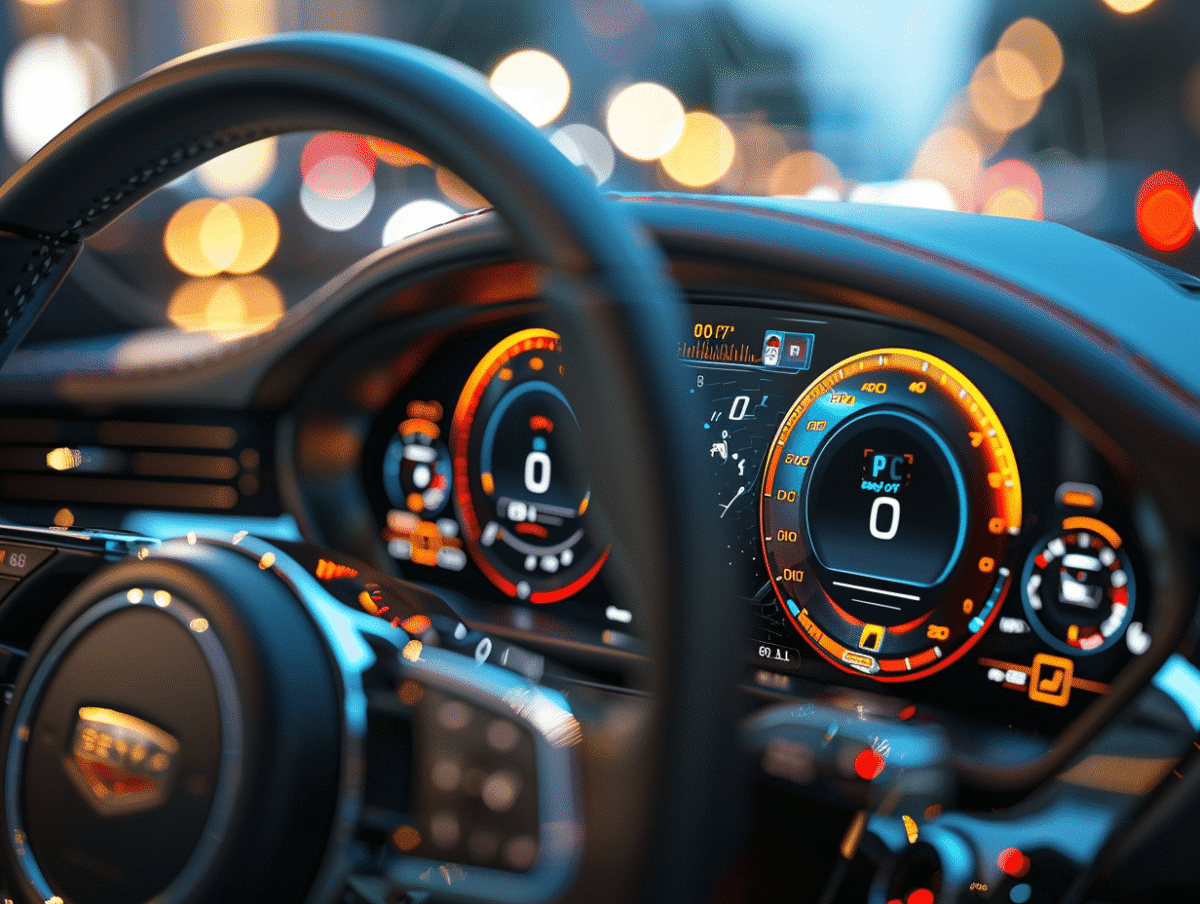
When you drive, the dashboard is your main communication tool with your vehicle. It lights up with various symbols and warning lights, each carrying a specific message. Some simply indicate that functions are activated, while others alert you to potentially critical malfunctions for the safety or mechanics of the car. Knowing how to interpret these signals is essential for keeping your vehicle in good condition and preventing accidents. Ignoring warnings can lead to dangerous situations or costly repairs. That’s why it’s important to understand what your car is trying to tell you.
Decoding the dashboard warning lights
The dashboard, a central element of the driver-vehicle interface, contains a multitude of warning lights. These visual indicators provide information about the status of the vehicle’s systems. Each light has a distinct color and pictogram to convey specific information.
The colors of the lights play a crucial role in interpreting the signals. A red light generally indicates a critical problem requiring immediate stopping to avoid damaging the vehicle or compromising safety. In contrast, a green light confirms the normal operation of a system, such as turn signals or cruise control.
As for orange lights, they should never be ignored. Such a light, like the orange car light with zigzag, often indicates an electrical or electronic issue, such as a malfunction in the traction control system. This signal requires prompt attention, although it does not necessitate immediate stopping of the vehicle.
The behavior of the lights can also vary: a flashing light or a light that stays on continuously does not indicate the same urgency. For example, a flashing oil pressure light might mean a temporary drop in pressure, while a constant light alerts you to a problem requiring immediate intervention. Follow these indications and consult your vehicle’s manual for a detailed understanding of each pictogram and its respective urgency.
Actions to take in case of a warning light
When faced with a warning light, quick action is essential. Take appropriate measures based on the color and behavior of the signal. In the presence of a red light, such as one indicating an oil pressure or coolant issue, a safe stop of the vehicle is necessary without delay to prevent irreversible damage or accident risks. Refer to your vehicle’s manual for identifying the exact cause and checking oil levels or inspecting the cooling system.
When an orange light comes on, such as a warning for low fuel, brake pads, or tire pressure, special attention is required. Although less urgent than red lights, orange signals should not be overlooked. Plan a visit to an automotive professional for an accurate diagnosis and intervention if necessary. This diligence can prevent escalation to more serious problems and contributes to the regular maintenance of the vehicle.
Driving theory courses teach the meaning of warning lights. Periodic reminders of procedures are beneficial for maintaining vehicle safety. Quickly identifying alerts and knowing the actions to take are essential for ensuring the reliability of your mode of transport and your own safety. Take the time to consult your vehicle’s manual or take a refresher course to stay alert to the signals on your dashboard.