French Polynesia is more than a turquoise postcard. Its lagoons, volcanic valleys and mā’ohi cultural sites make up a living territory, shaped by local protection rules that every traveler should know before setting foot on a motu.
Rāhui and fragile lagoons: how local rules affect travelers
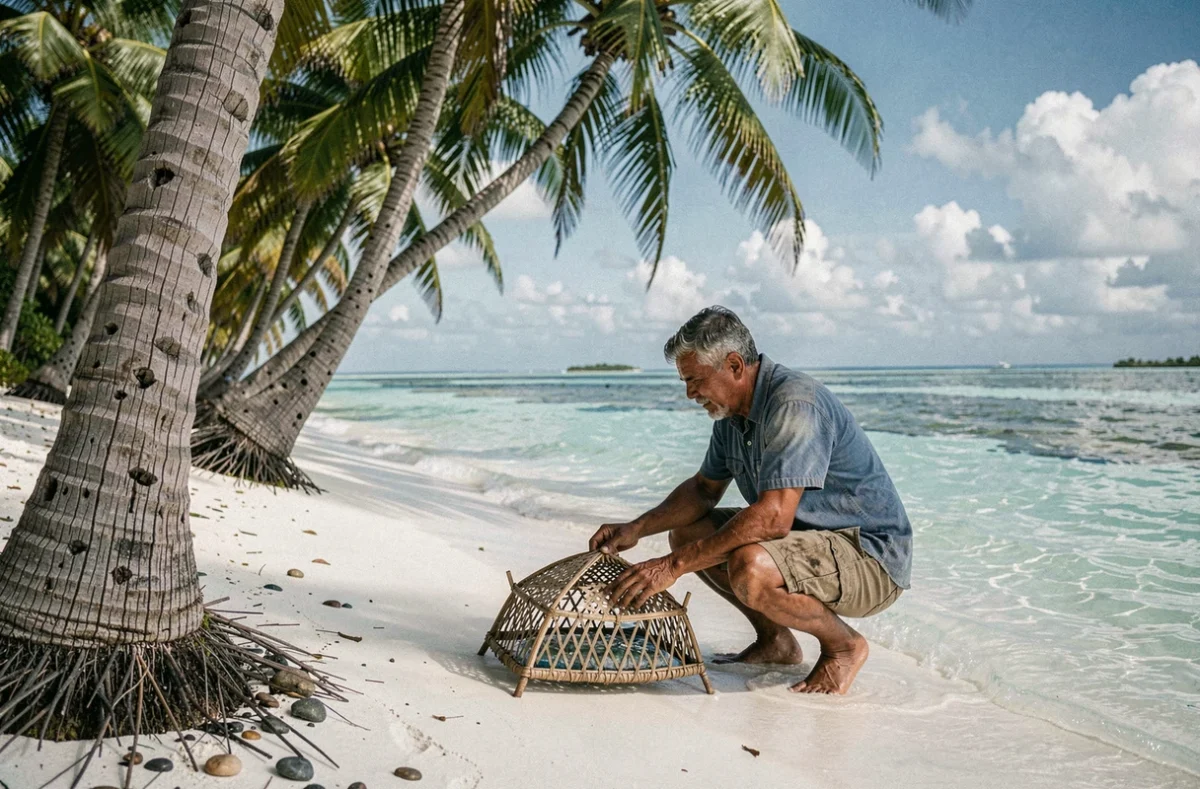
Have you heard the word rāhui without really knowing what it means? The term refers to a traditional system of restrictions applied to a specific area, marine resource or period of time. A rāhui does not automatically mean that access to the sea is completely prohibited.
Restrictions vary from one lagoon to another. They may apply to fishing for a particular species, collecting shells on a sandbank, or visiting a reef during coral breeding season. Checking the current local rules with the municipal authorities is the only reliable way to find out what is allowed.
This is especially important when exploring French Polynesia’s must-see places, as several are located in areas subject to temporary or permanent protection measures.
- Before taking a boat trip to a remote motu, ask your tour operator whether a rāhui is in effect in the area.
- Do not collect coral, even dead coral, from beaches or in the shallow waters of atolls.
- Follow local signs and instructions, including those written only in reo mā’ohi.
Taputapuātea on Raiatea: a UNESCO cultural landscape threatened by erosion
Raiatea is home to the Taputapuātea marae, which has been a UNESCO World Heritage Site since 2017. It is not simply an archaeological relic on the shore. The site brings together ruins, valleys, lagoon, reef and mā’ohi traditions in a setting that UNESCO describes as a cultural landscape.
This designation changes how visitors experience the site. The marae itself, built from volcanic stone facing the ocean, is just one part of a much larger area. The valleys that slope down to the coast, the passage through the reef and the neighboring lagoon are all integral parts of the World Heritage property.
The site is exposed to heavy swells and coastal erosion. Preparatory protection work is underway. Taputapuātea is a millennia-old heritage site threatened by rising sea levels, making a visit all the more memorable for those who take the time to observe the meeting of land and ocean.
In practice, respecting the site comes down to a few simple actions: do not climb on the marae structures, stay on marked trails and listen to local guides as they share the site’s oral history.
Moorea and Cook’s Bay: diving and volcanic hikes
Cook’s Bay on Moorea is considered one of the most beautiful bays in the world. From the lookout, it forms a deep inlet in the volcanic landscape, framed by jagged peaks whose reflections shimmer in the calm waters at the head of the bay.
Moorea is ideal for both hiking and snorkeling. Trails leading to the ridges offer views of the island’s two main bays, Cook and Opunohu. Beneath the surface, coral gardens are home to a diverse range of marine life. Moorea combines volcanic scenery with an accessible lagoon that requires no long boat ride, making it a good choice for travelers with just a few days to spare.
Fakarava in the Tuamotus: an atoll designated a biosphere reserve
Fakarava is part of the Tuamotu Archipelago, a chain of coral atolls very different from the high volcanic islands. The atoll is designated a UNESCO Biosphere Reserve. Its lagoon, one of the largest in French Polynesia, is home to the famous Pink Sands, sandbanks with a rosy hue formed from coral fragments.
The site can only be reached by boat from the main village. Fakarava draws divers to its passes, which teem with grey sharks and pelagic marine life. The south pass in particular is renowned among experienced divers.
The Tuamotus call for a different pace. No mountains, no scenic roads: here, travel happens on and beneath the water. Accommodation is modest, often in family-run guesthouses, bringing visitors closer to the everyday lives of local residents.
Bora Bora and Huahine: two sides of a Polynesian getaway
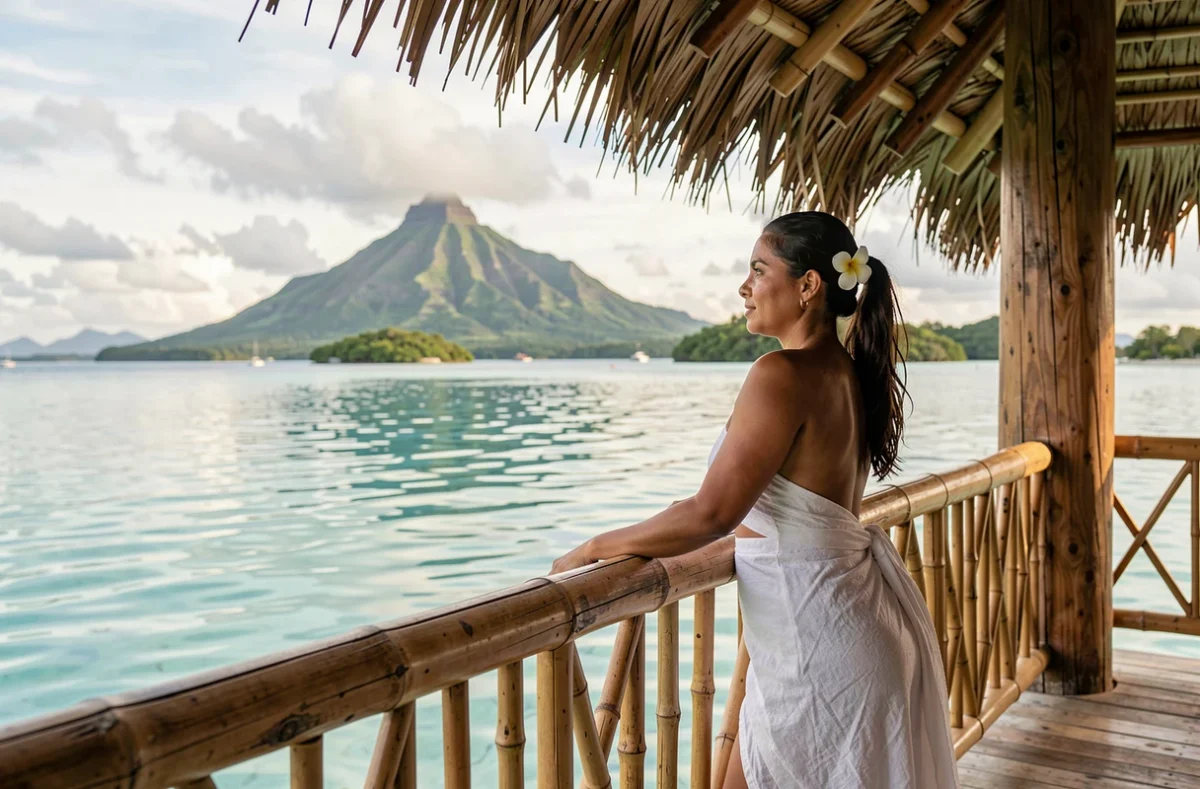
Bora Bora embodies the Polynesian dream, with its overwater bungalows and turquoise lagoon dominated by Mount Otemanu. The experience centers on luxury, outrigger canoe excursions and taking in the scenery.
Huahine offers something quite different. Less visited, the island retains a rural character, with archaeological remains scattered throughout the vegetation. Its marae, less well known than Taputapuātea, bear witness to ancient settlement. Huahine offers a quieter side of Polynesia, away from crowded tourist routes.
Choosing between these two islands depends on what you are looking for. Bora Bora is ideal for a short stay focused on the lagoon. Huahine calls for more time and curiosity, but rewards visitors with a deeper cultural immersion.
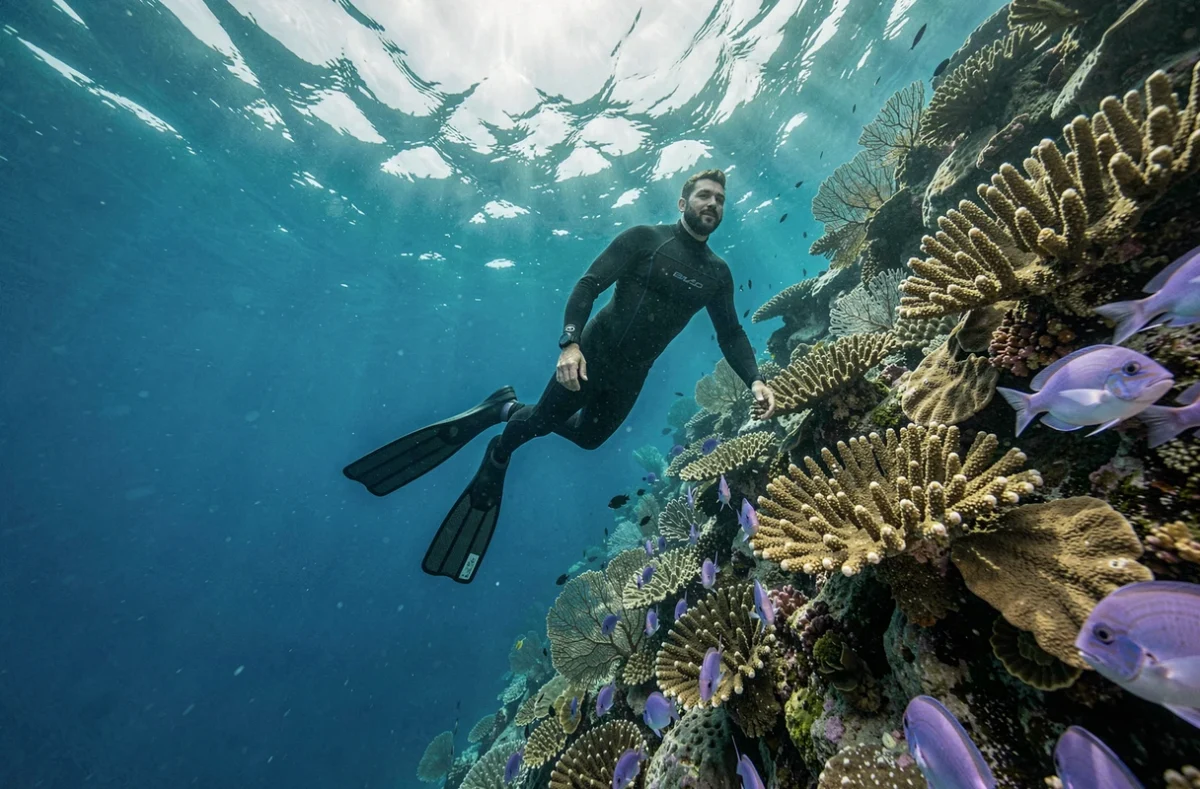
Each Polynesian island has its own protection rules and its own pace. Taking the time to learn about the rāhui in effect, access conditions for marae and the fragility of the reefs turns a trip to Polynesia into an experience that respects both the land and the people who live there.