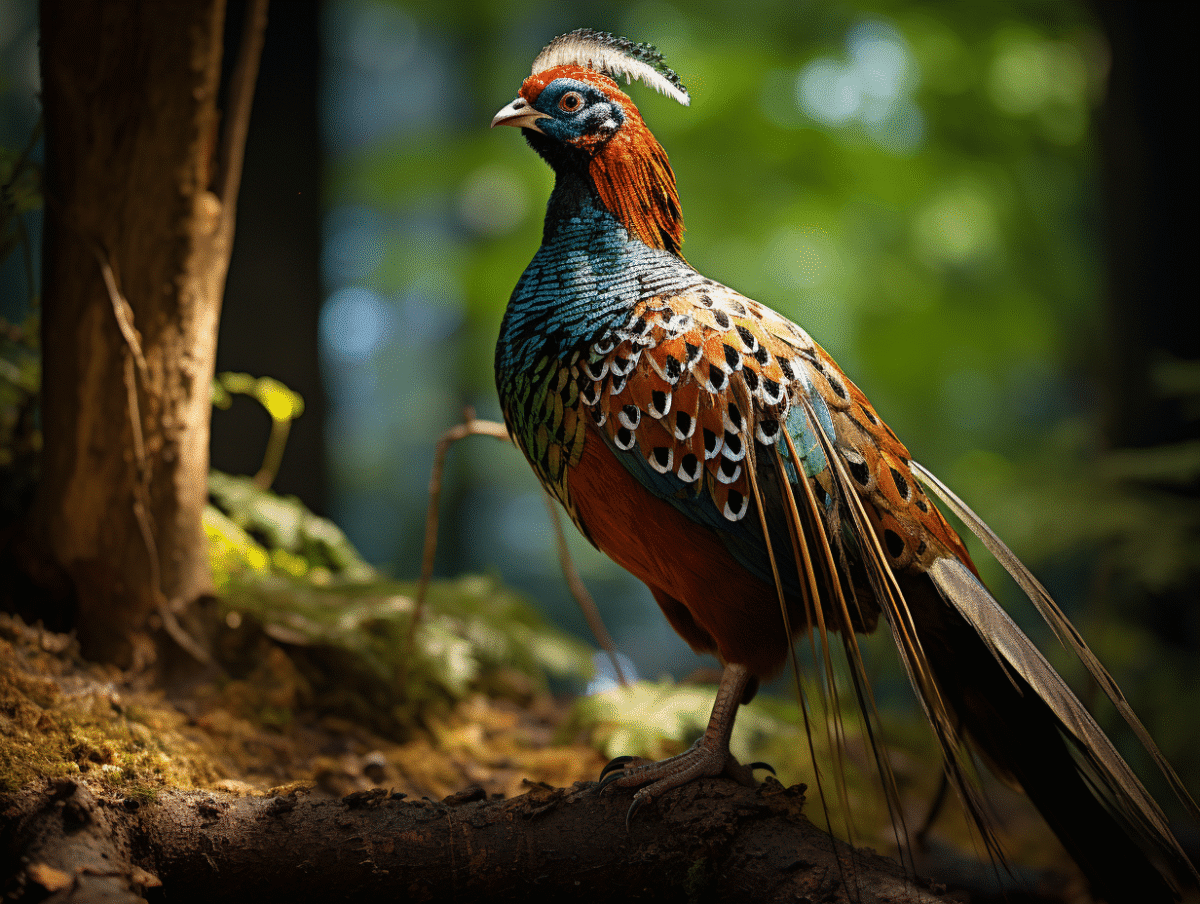
Exploring the intricacies of nature, reproduction in wild poultry remains a fascinating area for biologists and ornithologists. Each species has its own strategies for attracting a mate, nesting, and perpetuating its lineage. From complex courtship displays to incubation behaviors, these birds have developed methods adapted to their environment and specific needs. Factors such as predation, food availability, and climate change also influence their reproductive cycle, adding an extra layer of complexity to these natural processes that are essential for the survival of species.
Understanding Wild Poultry Reproduction
The domestication of the hen is part of a long history, beginning between 8000 and 6000 BC in Asia, stemming from human settlement that occurred about 10,000 years ago. While humans have domesticated this animal evolving from small feathered dinosaurs, the distinction between domestic hens and wild poultry remains significant. The Gallus gallus, or bankiva rooster, is considered the common ancestor of the chicken breeds known today, both in France and Europe.
Wild hens reproduce according to natural cycles, where the rooster plays a predominant role. The male guinea fowl, for example, displays a range of behaviors to attract the female, from distinctive vocalizations to the exhibition of its feathers. These courtship rituals are essential for the perpetuation of species, with each breed possessing its own characteristics. For hens, laying eggs is a regular act that can be influenced by light and environmental conditions.
The fertilized eggs are the result of a carefully orchestrated encounter between the rooster and the hen. In the wild, hens lay eggs that they then incubate, without the human intervention found in domestic farming. Wild poultry eggs are often laid in strategically chosen locations to maximize the survival of future chicks, with particular attention paid to protection against predators and climatic conditions.
The pure wild subjects and hybrids remind us of the complexity of genetic and behavioral interactions within poultry populations. Research continues to explore these dynamics, particularly to protect biodiversity and understand the adaptation mechanisms of these animals. The genome of the hen, decoded and published in the journal Nature in 2004, opens additional perspectives for studying their life and evolution.

Reproductive Strategies and Adaptations in Wild Poultry
The laying of eggs in wild poultry is distinguished by its adaptation to natural rhythms and environmental constraints. Far from the poultry houses of agro-industry, where selection has been made for maximized production, wild poultry exhibit a reproductive strategy that aligns with the seasons, available food resources, and predators. Pure breeds, such as the Phoenix or Brahma, derived from ancient selections, retain behavioral and genetic traits that bring them closer to their ancestors.
Animals that reproduce in the wild often select specific nesting sites to lay their eggs. These sites are chosen for their ability to offer protection, warmth, and camouflage. The eggs and chicks enjoy an increased chance of survival, despite the constant threats of predation and climatic uncertainties. Recent studies show how wild poultry modify their nesting behaviors in response to changes in their ecosystem.
Regarding the eggs, the incubation period and parental care vary greatly between species. Some, like the Java rooster, are known for their involvement in incubation and protection of the offspring, while others rely more heavily on the female for these tasks. These differences reflect a diversity of evolutionary adaptations that respond to the specific conditions of their habitat and lifestyle.
Permaculture and agro-industry draw inspiration from these natural methods to integrate poultry into more sustainable production systems. Permaculture, in particular, values poultry for their role in pest management and soil fertilization, while agro-industry is increasingly interested in practices that respect animal welfare and the environment. The genome of the hen, decoded in 2004, serves as a reference for research applied to improving farming conditions and conserving breeds.