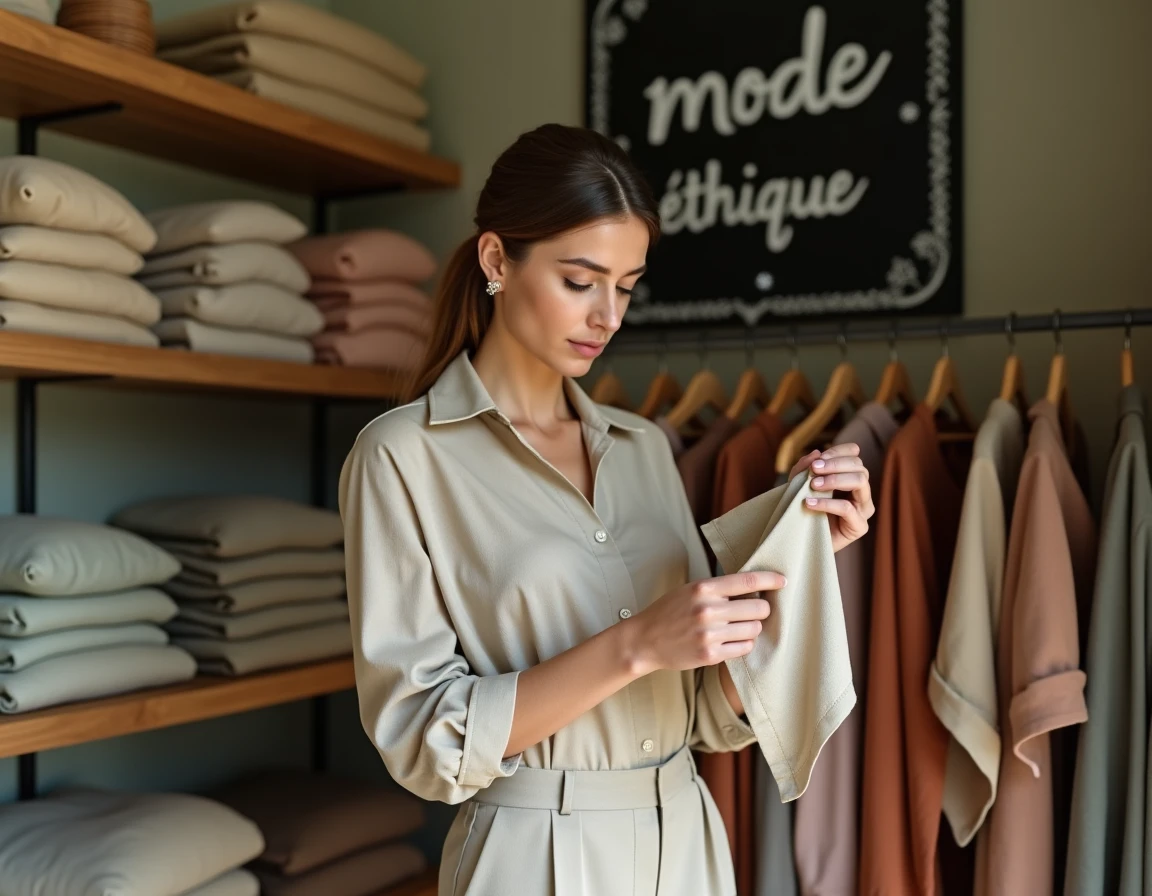
An ethical wardrobe relies on two complementary mechanisms: extending the lifespan of each item and limiting the influx of new garments produced according to a linear model. Responsible fashion is not just about choosing one label over another. It involves a complete cycle, from purchase to reuse, where every decision (material, care, resale) alters the environmental impact of the wardrobe.
Textile repair bonus: the underutilized circular lever
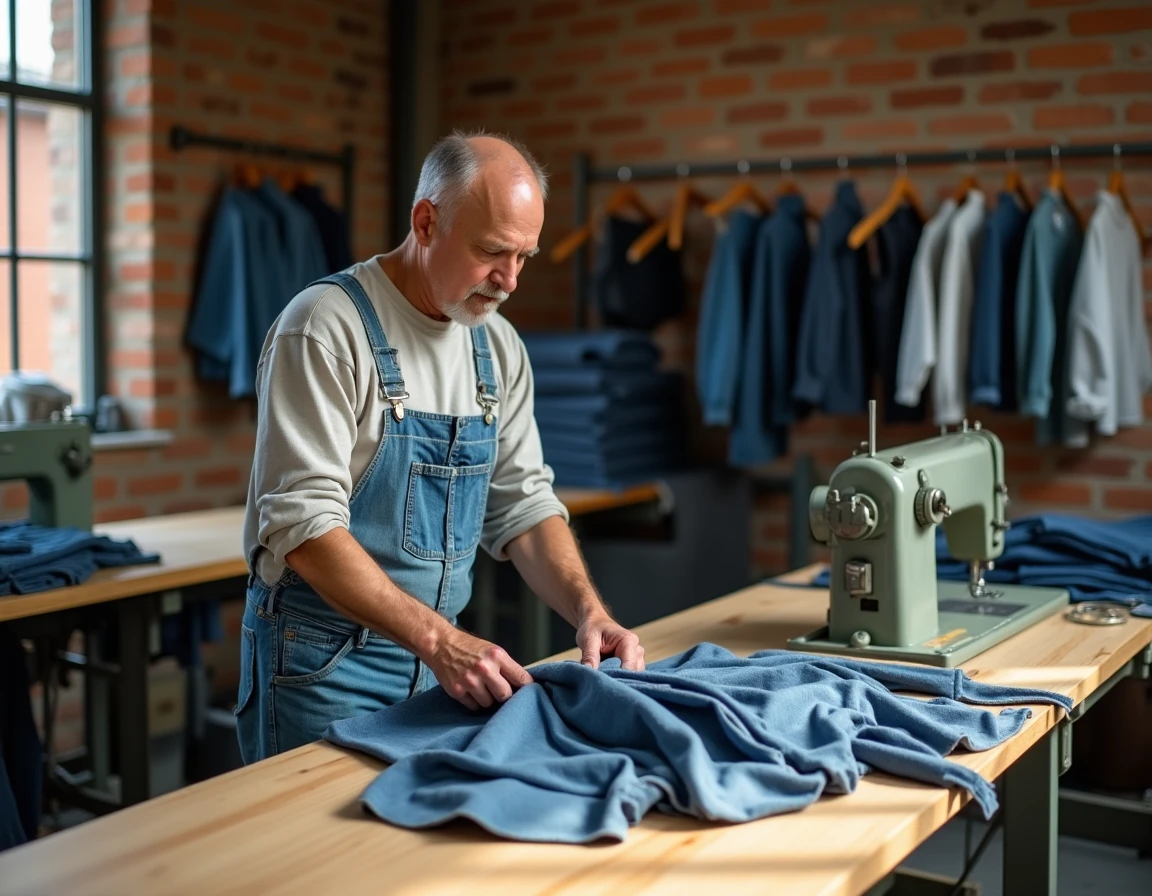
Since the end of 2023, the textile repair bonus promoted by the eco-organization Refashion and supported by the Ministry of Ecological Transition allows for the repair of clothing and shoes at a reduced cost. A flat-rate discount is deducted directly at certified artisans listed on the Refashion and ADEME websites.
This scheme transforms repair into an economically viable reflex. Replacing a zipper, fixing a seam, or resoling a pair of shoes costs significantly less than before this subsidy came into effect. For a circular wardrobe, repairing is often cheaper than buying an equivalent piece in fast fashion.
The list of certified artisans is updated regularly. Checking the availability of a repairer nearby before discarding a damaged garment becomes the first concrete gesture of responsible fashion. Platforms like hylla.fr also facilitate access to reuse and second-hand channels, extending the circular logic beyond mere repair.
Sustainable materials and textile labels: reading beyond green marketing
The choice of materials determines the durability of a garment much more than the brand that markets it. Two main families stand out: natural fibers grown according to strict specifications (certified organic cotton GOTS, European linen) and recycled fibers (recycled polyester, regenerated wool).
What labels really guarantee
Not all labels cover the same areas. Some certify only the raw material, while others encompass production conditions.
- GOTS (Global Organic Textile Standard) covers organic fiber and social manufacturing conditions, from field to finished product.
- OEKO-TEX Standard 100 guarantees the absence of harmful chemicals in the final product, without requirements on the cultivation method.
- The Fairtrade textile label mainly concerns worker remuneration and conditions in manufacturing workshops.
Reading the label is not enough: one label never covers the entire textile chain. Cross-referencing two certifications (one on the material, one on working conditions) provides a more reliable picture of a piece’s real impact.
Materials to prioritize based on use
Linen and hemp, primarily grown in Europe, consume little water and require very few pesticides. They are suitable for summer pieces and everyday clothing. Organic cotton remains relevant for basics (t-shirts, underwear) provided the GOTS certification is verified.
For technical or sportswear, recycled polyester offers a compromise: it avoids the extraction of virgin oil, although it continues to release plastic microfibers during washing. Using a filtering laundry bag significantly reduces this release.

Building a sustainable wardrobe: the logic of cost per use
The notion of cost per use changes the way a clothing purchase is evaluated. An expensive coat worn for four winters costs less per use than a cheap jacket replaced every year. This simple calculation naturally leads to timeless pieces, well-cut, in durable materials.
The most economically circular wardrobes consist of durable, stylish pieces that are not easily dated. A wool blazer, a thick raw denim jean, a pair of vegetable-tanned leather shoes: these basics transcend seasons without losing their stylistic relevance.
Reducing entries rather than multiplying alternatives
Sorting your wardrobe before any new purchase remains the most effective gesture. Identifying the pieces actually worn over the past twelve months helps spot duplicates, impulsive purchases never used, and real gaps to fill.
- Group clothing by category (tops, bottoms, jackets, accessories) to visualize excesses.
- Set a simple ratio: one piece in, one piece out (donation, resale, recycling via a Refashion drop-off point).
- Prioritize second-hand for trendy pieces with a short stylistic lifespan.
- Reserve new purchases for basics worn at least three times a week.
Buying less but better summarizes the slow fashion approach without reducing it to a slogan. Regular sorting and the entry-exit rule transform this intention into measurable practice.
Circular commitments of major brands: the value of promises
Since 2023, several fast fashion brands (H&M, Inditex/Zara, Mango) have integrated circular goals into their climate plans. Their 2023-2024 CSR reports mention second-hand, rental, and repair programs linked to emission reduction trajectories validated by the Science Based Targets initiative (SBTi).
These commitments deserve a critical look. An in-store collection program does not compensate for a production rate of several thousand references per season. The circularity of a brand is measured by the volume of production avoided, not by the number of collection bins installed.
For the consumer, these schemes remain useful as long as they do not serve as a pretext for additional purchases. Dropping off a worn garment at a collection point makes sense if it replaces a new purchase, not if it frees up space to buy more.
Responsible fashion does not rest on a single gesture. It combines verifiable material choices, care that extends the lifespan of pieces, and a systematic recourse to repair and reuse before any replacement. The textile repair bonus, still little known, is likely the most concrete lever to transform an existing wardrobe into a circular one.