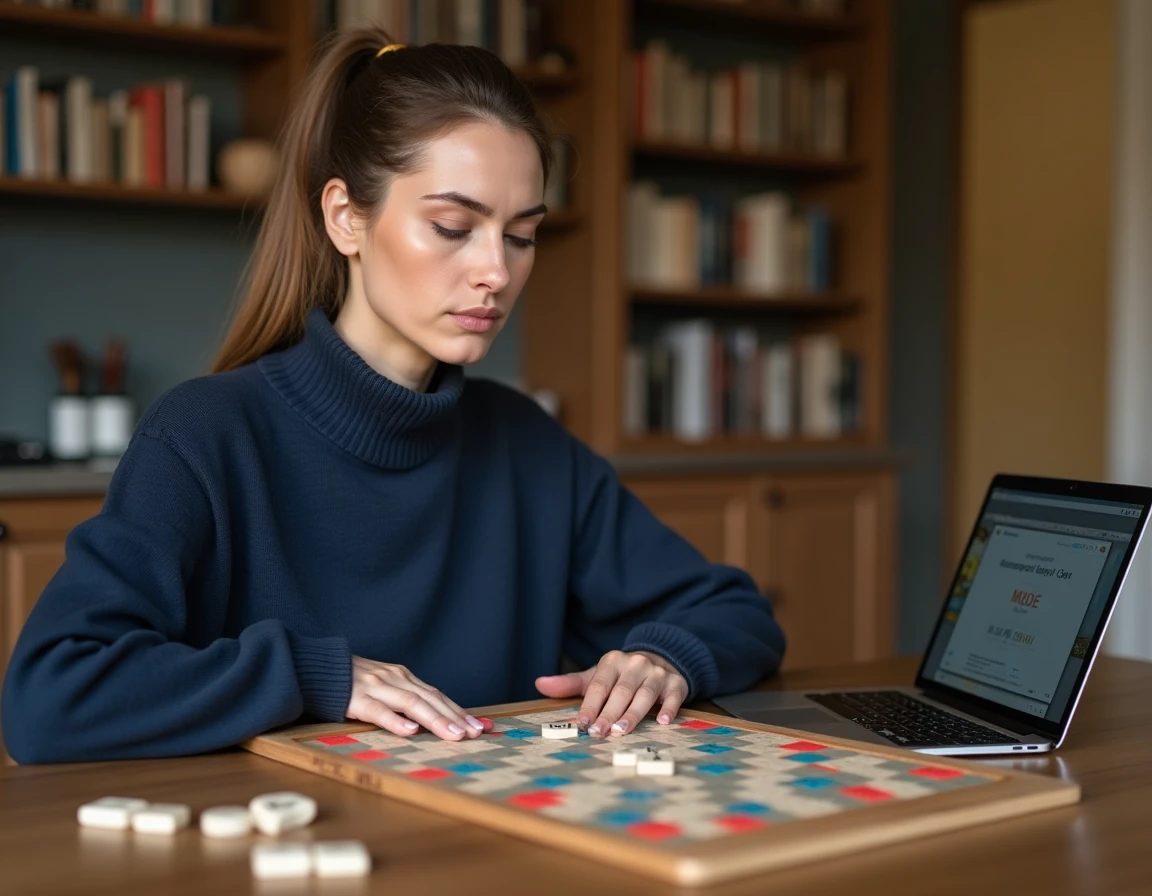
Clicmouse is an online Scrabble platform that offers two distinct game modes: a solo mode against the computer and a multiplayer mode. Beyond simple entertainment, the tool integrates word suggestions and real-time statistics that allow players to analyze their strategy during the game. Here are ten practical tips to make the most of these features and improve your scores.
1. Use real-time statistics to adjust your strategy

Clicmouse displays game data during the game, not just at the end. These statistics help identify if your average score per turn is stagnating or if you are losing points in certain phases of the game.
Checking these indicators between turns helps decide whether to attempt a long word or secure a short placement on a bonus square. This reflex transforms Clicmouse into a strategic analysis tool, not just a vocabulary training exercise.
Among the resources detailing this approach, several tips for better playing with Clicmouse in Scrabble explore how to leverage this data to improve game after game.
2. Use word suggestions as a learning tool
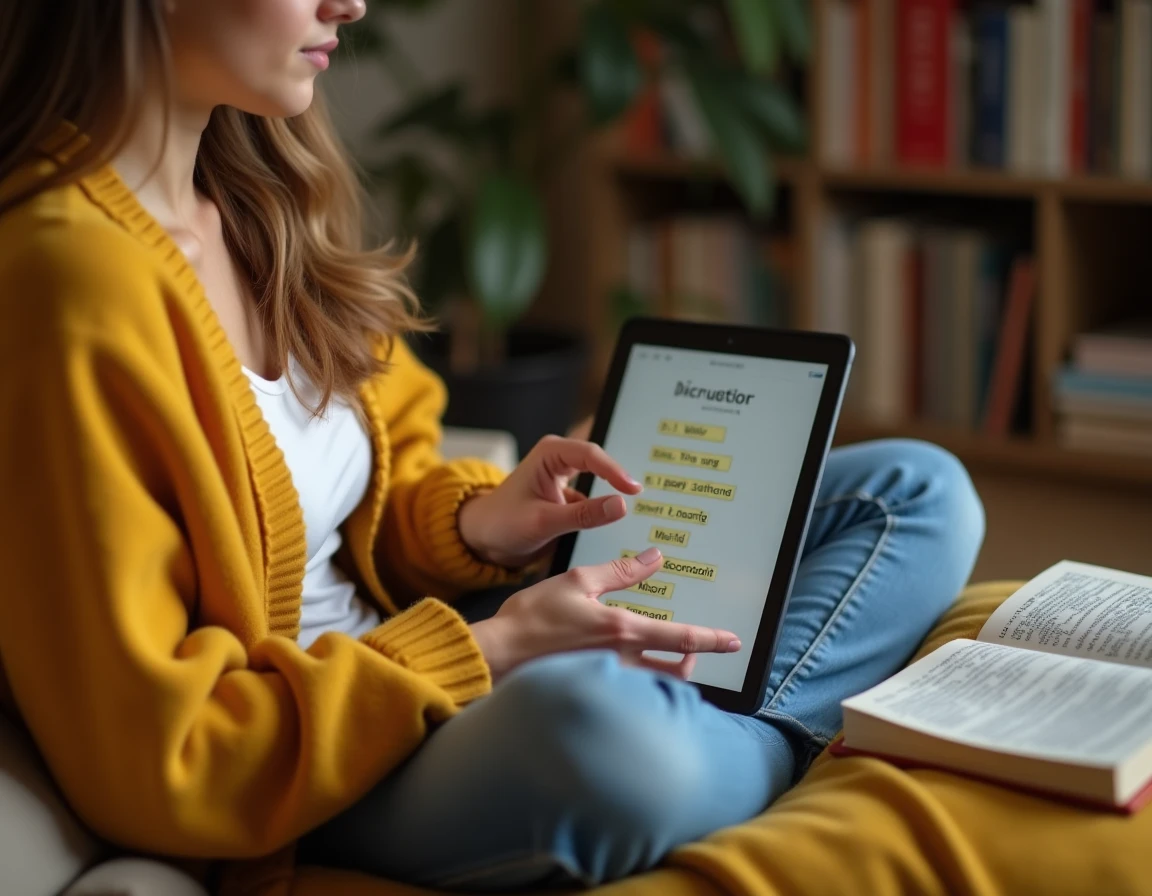
The word suggestions integrated into Clicmouse are not just for finding the most profitable word. They reveal combinations you might not have considered, enriching your active vocabulary over time.
Get into the habit of comparing your initial idea with the suggested option. If the point difference is small, your instinct is good. If the suggestion scores significantly more, analyze why: placement on a bonus square, use of a high-value letter, or a longer word.
3. Maintain a balance of vowels and consonants on the rack
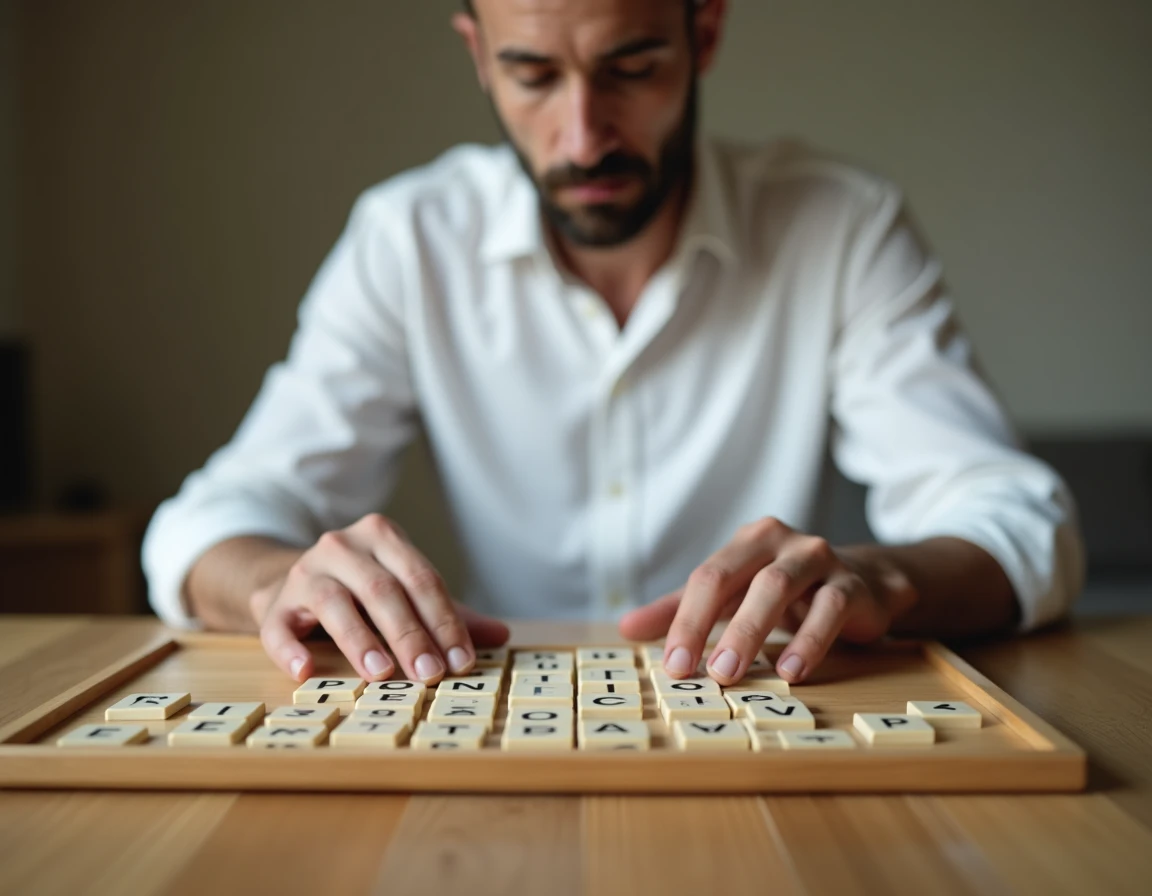
An unbalanced rack (too many vowels or too many consonants) blocks your playing options. On Clicmouse, when your draw does not allow for any profitable word, exchanging letters becomes the best decision rather than playing a mediocre word.
Aim for a ratio close to three consonants for every two vowels, keeping versatile letters like E, S, or R if possible. This principle applies to every turn: before playing a word, check what will remain on your rack.
4. Play in solo mode to test risky placements

The solo mode against the computer on Clicmouse allows you to experiment without pressure. Play a word on a triple word square even if it opens the game to your opponent: observe how the computer reacts.
This mode is the ideal ground for testing offensive strategies you wouldn’t dare in multiplayer. Mentally note the computer’s responses to the openings you create, then adapt your defensive play accordingly.
5. Block bonus squares instead of offering them
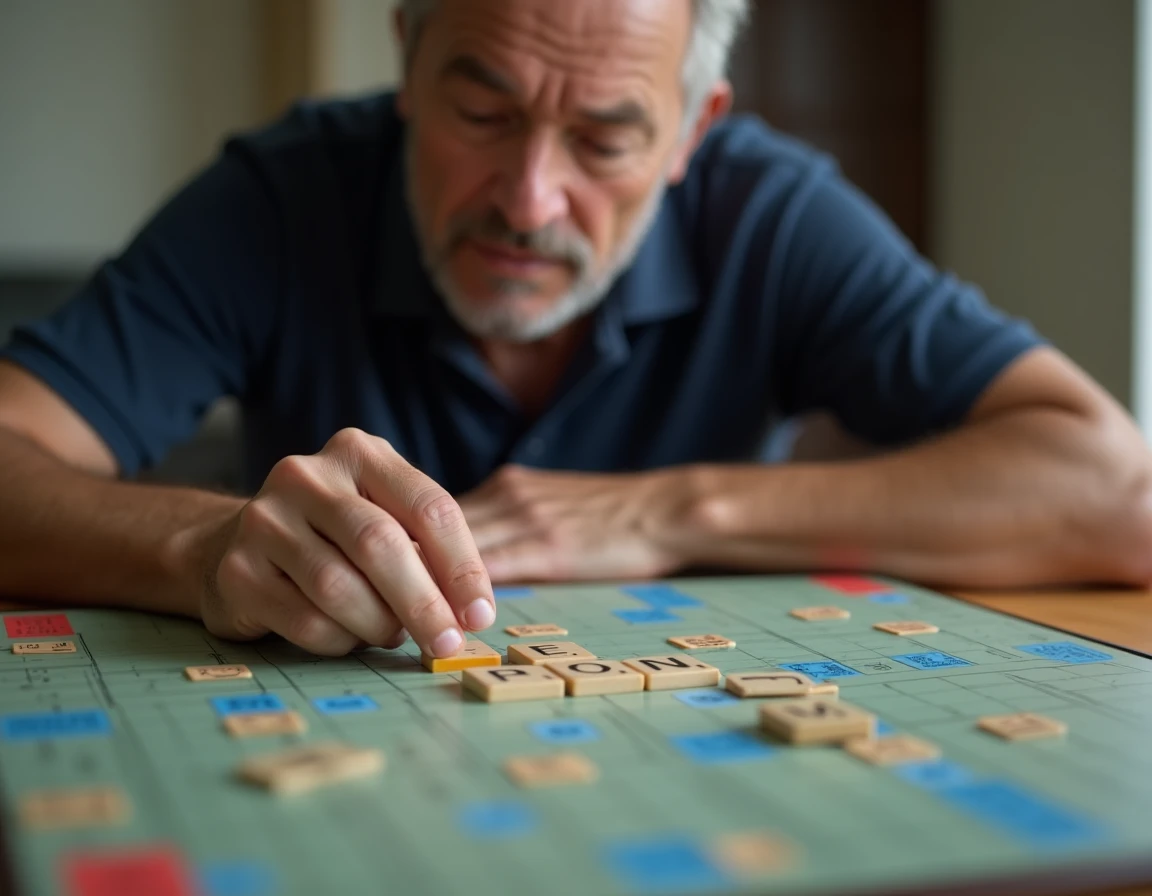
Bonus squares (double letter, triple word) are not just for boosting your score. They can also block your opponent if you neutralize them with a low-value word placed correctly.
Before playing a word, look at which premium squares remain accessible around your placement. If your move opens a triple word square to your opponent, look for an alternative that locks it down, even for a few points less.
6. Memorize short words with high-value letters
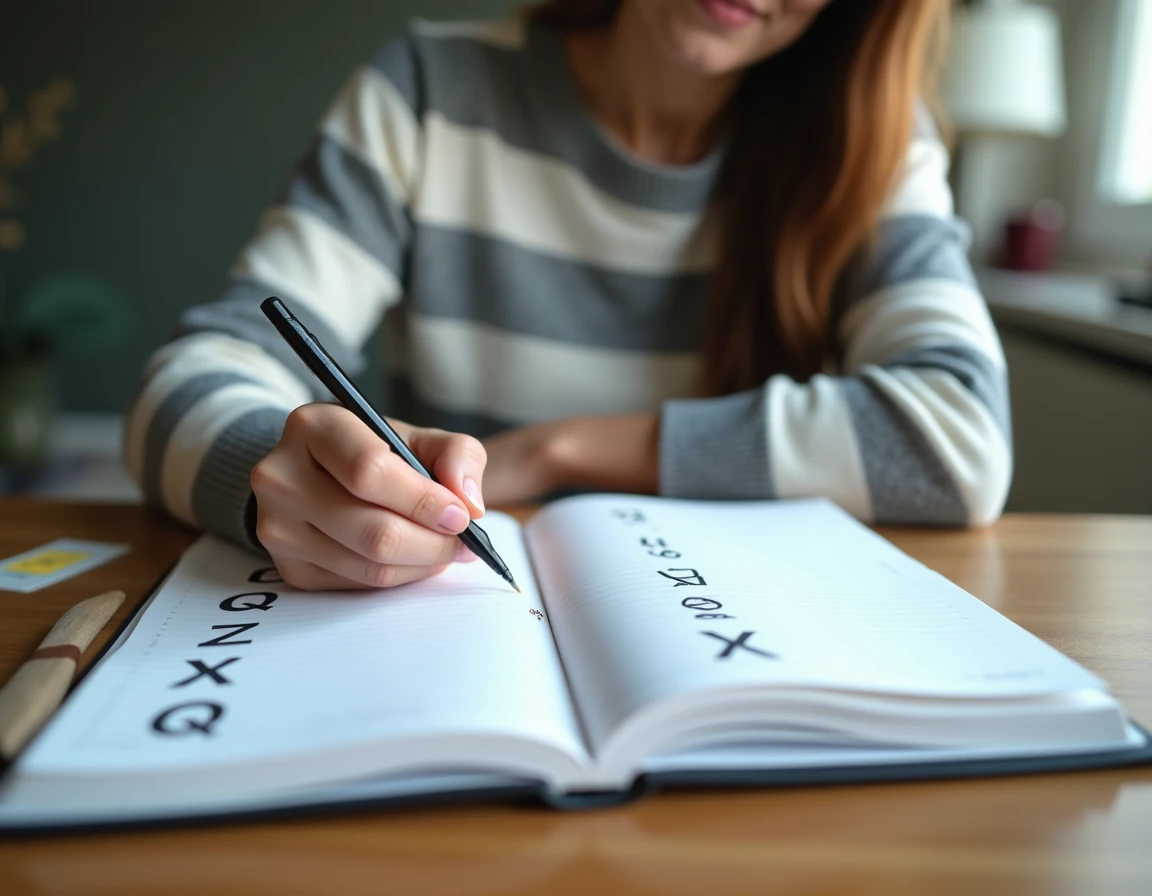
Two or three-letter words formed with the letters J, K, Q, W, or Z are underrated score accelerators. Here are a few examples to remember:
- QI: the only two-letter word using Q without U, profitable on a double letter square
- WU: a short word that frees the W while scoring points on a parallel placement
- ZA and ZO: allow you to place the Z quickly without waiting for a long word
On Clicmouse, the word suggestions will remind you of these options if you forget them, but knowing them by reflex speeds up your decision-making.
7. Place words in parallel to multiply points
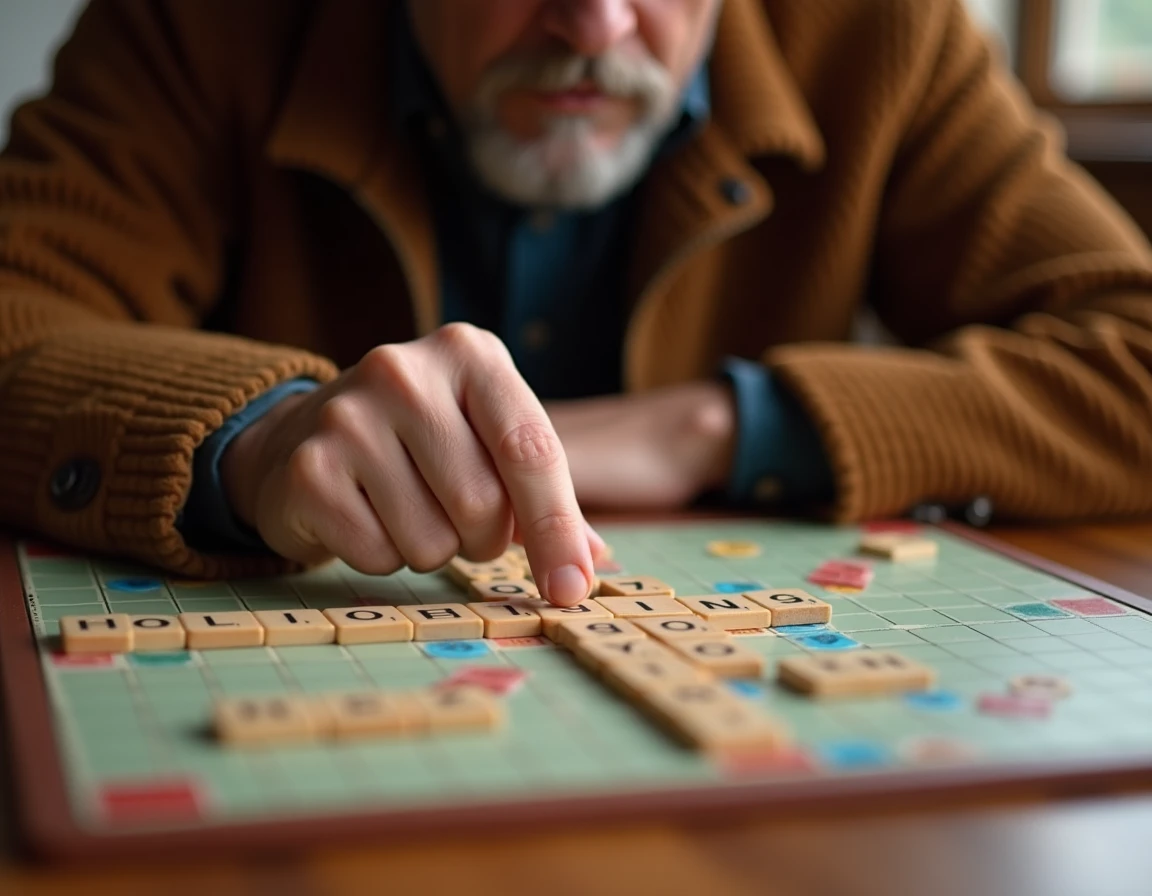
Placing a word parallel to an existing word creates several two-letter words at the same time. Each intersection scores points, and the total score often exceeds that of a longer isolated word.
This technique requires knowing valid two-letter combinations (there are several dozen in French). On Clicmouse, the system instantly validates or rejects, allowing you to learn these combinations through practice without consulting a list.
8. Keep S and blank tiles for decisive moves
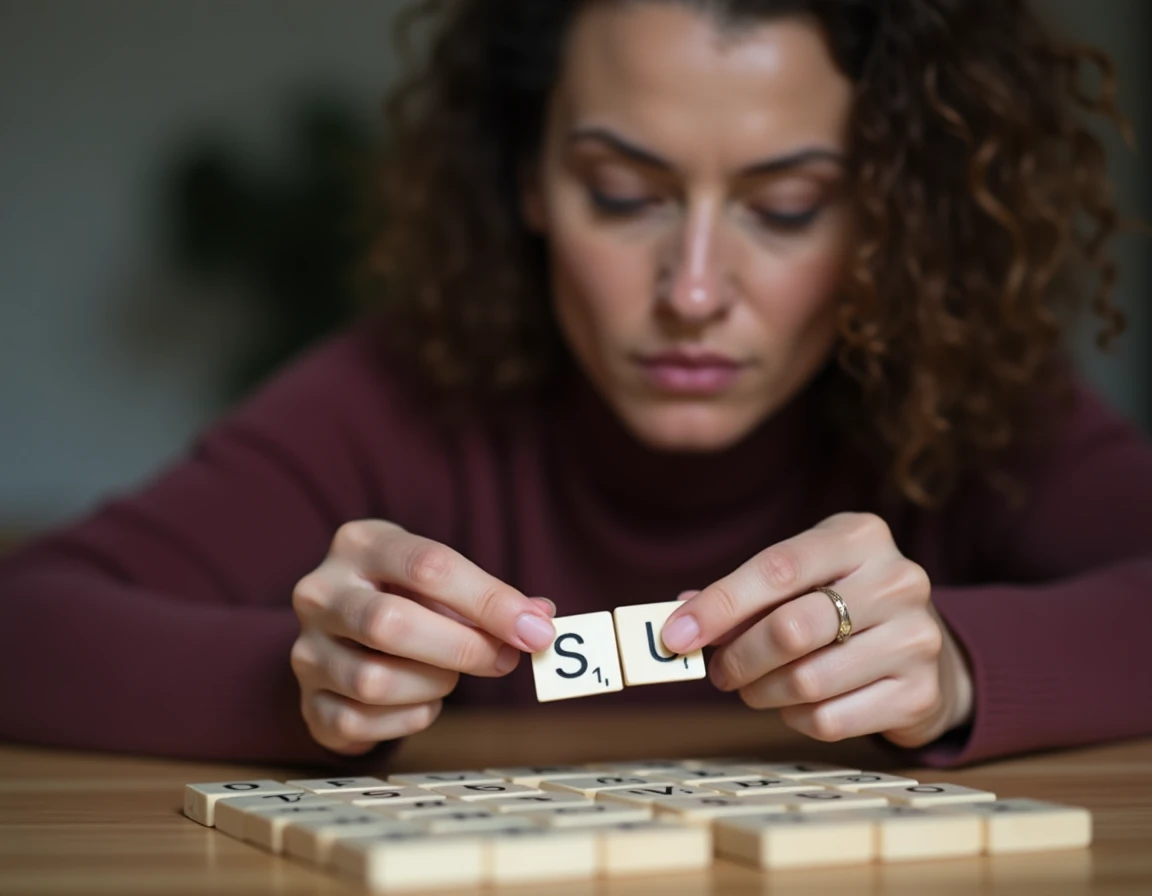
The S allows you to form the plural of an already placed word while creating a new perpendicular word. This double counting makes the S much more valuable than its face value of one point.
The blank tile (wildcard) works on the same principle: it scores nothing alone, but it unlocks seven-letter Scrabbles that grant a bonus. Do not waste either the S or the wildcard on a move that scores fewer points than an ordinary placement.
9. Switch from solo mode to multiplayer to measure your progress

The solo mode on Clicmouse calibrates the computer opponent, allowing you to practice at your own pace. The multiplayer mode pits you against human players whose decisions are less predictable.
Alternating between these two modes creates an effective learning cycle: solo to work on technical points (parallel placements, rack management), multiplayer to test these skills under pressure. The integrated statistics then allow you to compare your average scores between the two modes.
10. Analyze completed games to identify recurring mistakes
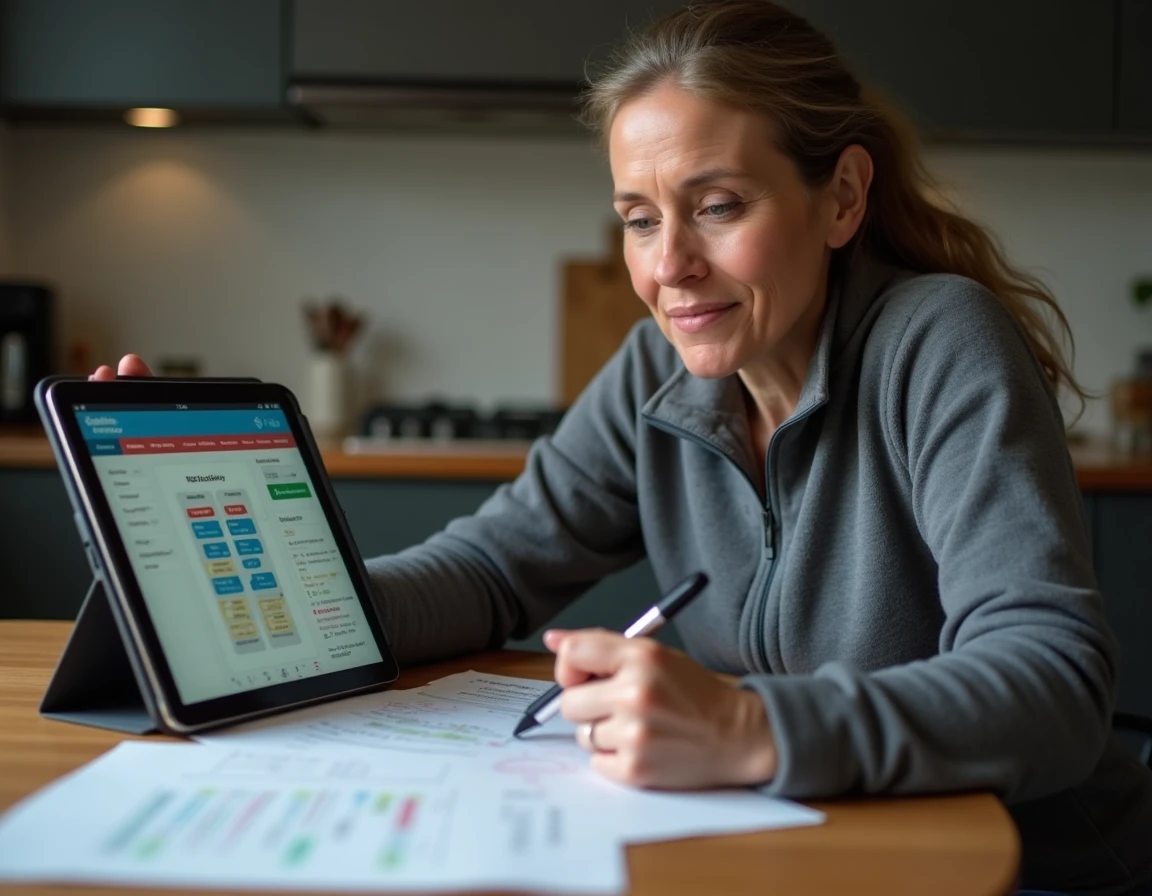
Once the game is finished, revisit the moves where the gap between your choice and the best option was the largest. On Clicmouse, end-of-game data makes this review easier.
Three questions to ask yourself after each game:
- Did I waste an S or a wildcard on a low-value move?
- Did I open a bonus square to my opponent without sufficient compensation?
- Did I exchange my letters when the rack was unbalanced, or did I force a mediocre word?
This habit of reviewing turns every game into training material. The overall score matters less than the ability to identify what cost points and then correct those reflexes in the next game.